
PVC Fencing
Discover the ultimate low-maintenance fencing solution with durable, beautiful PVC that never needs painting.
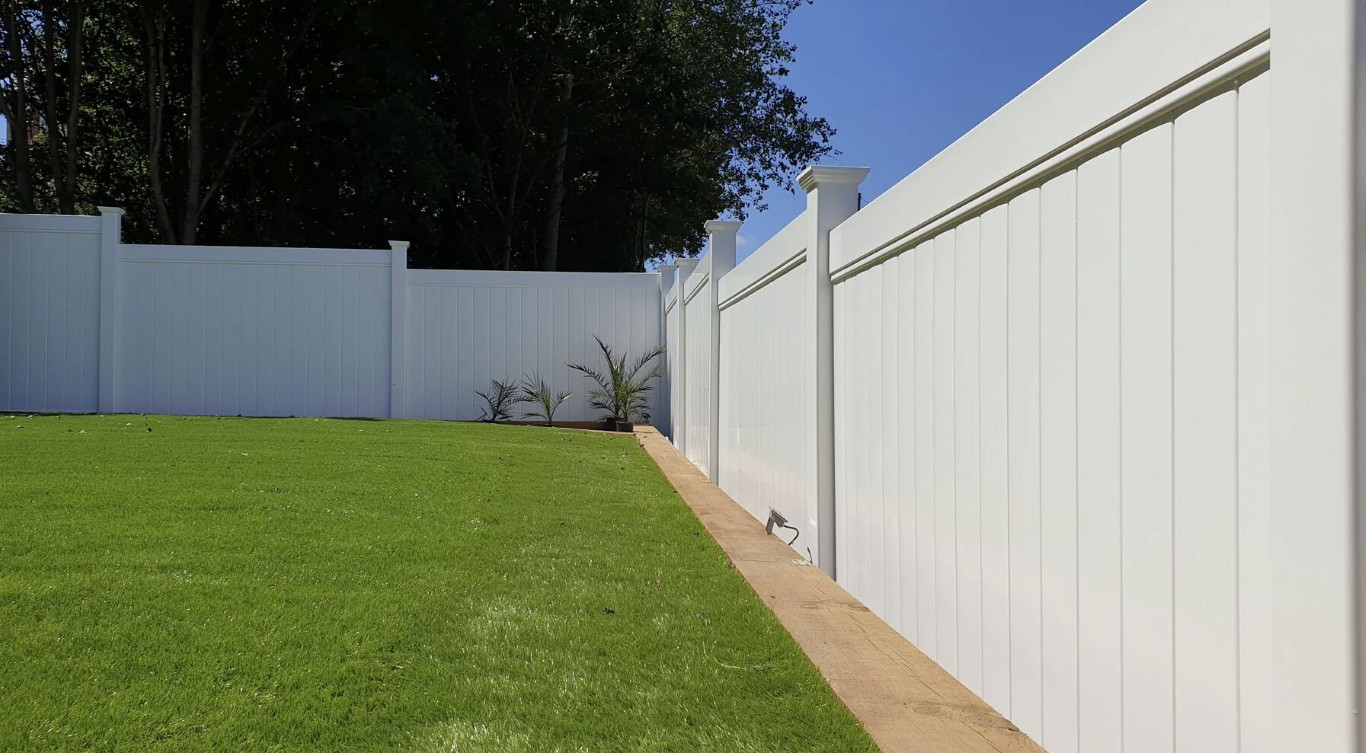
Why PVC Fencing is Perfect for Florida Homes
PVC fencing, also known as vinyl fencing, offers the perfect solution for homeowners who want a beautiful fence without the constant maintenance. Made from polyvinyl chloride, these fences resist everything Florida throws at them: intense sun, heavy rain, high humidity, and occasional storms. Unlike wood that rots or metal that rusts, PVC stays looking great year after year with almost no effort on your part.
What makes PVC different from other fence materials is its color and durability. The color goes all the way through the material, so there's no paint to chip or peel. Scratch it, and you'll see the same color underneath. The material is engineered to resist UV damage, which means it won't fade to an ugly yellow like some older vinyl products did. Modern PVC fencing looks as good in 20 years as it does the day we install it.
Here in Sanford, more homeowners are choosing PVC for good reasons. You never have to paint or stain it. You won't see splinters that could hurt kids or pets. Termites and other insects have zero interest in it. It's smooth, clean, and safe. For families who want to spend weekends enjoying their yard instead of maintaining their fence, PVC makes perfect sense. Learn more about professional fence installation in Sanford and how PVC fits into your project.
Call (407) 853-8292 for PVC QuotePVC Fence Styles and Design Options
PVC fencing comes in numerous styles to match your home's look and your privacy needs. You're not limited to just white picket fences anymore. Modern PVC offers variety while keeping that maintenance-free advantage. Here are the most popular styles we cover with our pvc fence installation service:
Privacy Fences
The most popular PVC style for backyards, privacy fences have no gaps between boards. They typically stand 6 feet tall and completely block the view into your yard. You can choose from tongue-and-groove designs where boards fit tightly together, or shadowbox styles with boards alternating on both sides for a more dimensional look. Privacy fences are perfect for pools, hot tubs, or anywhere you want complete seclusion.
Picket Fences
Traditional picket fences add charm to front yards while defining your property boundaries. PVC pickets never rot at ground level like wood pickets do. You can choose pointed tops, flat tops, or decorative designs. Heights range from 3 to 4 feet typically. The classic white picket fence look is timeless, but PVC pickets also come in tan, gray, and other colors to complement your home.
Semi-Privacy Fences
These fences offer a balance between openness and privacy. They feature gaps between boards that allow airflow and some visibility while still providing a barrier. Semi-privacy styles work well when you want to be neighborly while maintaining defined spaces. They're also good for areas where you need air circulation, like around air conditioning units or pool equipment.
Ranch Rail Fences
Also called post-and-rail fences, these have a classic country look with horizontal rails between posts. They're perfect for large properties, defining areas within your yard, or creating a decorative border. Ranch rail fences don't provide privacy but they mark boundaries clearly and add visual interest. The PVC version gives you this classic look without the maintenance wood rails require.
Decorative and Ornamental Styles
Modern PVC can mimic the look of ornamental metal fences with decorative post caps, lattice inserts, and curved or angled top rails. These styles work beautifully for front yards, garden areas, or anywhere you want elegance without sacrificing the low-maintenance benefits. Many designs feature scalloped tops or architectural details that add character to your property.
Colors and Finishes to Match Your Home
While white remains the most popular PVC fence color, you have more options than ever before. The right color can complement your home's exterior and create the look you want. Here's what you need to know about PVC fence colors:
- White: The classic choice that brightens yards and makes spaces feel larger. White PVC looks clean and crisp against greenery and works with any home color. It's also typically the most affordable option.
- Tan and Beige: These earth tones blend naturally with landscapes and show less dirt than white. They complement homes with warm exterior colors and create a softer look than stark white.
- Gray and Charcoal: Modern homeowners love these contemporary colors. They hide dirt well and create a sophisticated look. Gray works especially well with modern architecture and stone exteriors.
- Woodgrain Textures: Some PVC fences feature realistic wood grain textures and brown tones. You get the warm look of wood without any of the maintenance. These styles cost slightly more but offer the best of both worlds.
Remember that the color is molded throughout the material, not just painted on the surface. This means scratches and scuffs are much less noticeable than they would be on painted wood. The color won't fade significantly over time thanks to UV stabilizers mixed into the PVC during manufacturing.
Installation and Maintenance
Professional pvc fence installation ensures your fence looks great and lasts for decades. While PVC is more forgiving than some materials, proper installation techniques prevent future problems. Here's what proper PVC fence installation involves:
Post Installation: Posts must be set in concrete deep enough to prevent shifting. We dig holes below the frost line and use concrete that extends above ground level to prevent water pooling around the post base. Proper post spacing ensures panels don't sag over time.
Panel Installation: PVC panels expand and contract with temperature changes. We install them with proper spacing and use the right fasteners to allow this movement without causing stress cracks. Panels should be level and properly secured to posts.
Gate Installation: Gates need extra reinforcement because they get used frequently. We install heavy-duty hinges and add diagonal bracing inside the gate frame to prevent sagging. Self-closing hinges and quality latches ensure your gate works smoothly for years.
Once your PVC fence is installed, maintenance is minimal. You don't need to paint, stain, seal, or treat the fence at all. For routine cleaning, simply spray it with a garden hose to remove dirt and pollen. For stubborn stains or mildew, use a soft brush with mild soap and water. That's it. No special products, no annual costs, no weekends spent working on your fence.
If you ever need repairs, individual panels can usually be replaced without disturbing the entire fence. PVC doesn't rot from the bottom up like wood, so you won't face the common problem of replacing lower sections after a few years. This durability makes PVC one of the smartest long-term investments in fencing. Compare this to our wood fencing options which require regular maintenance to look their best.
Schedule Your PVC InstallationPVC Fencing Costs and Long-Term Value
PVC fencing typically costs more upfront than wood but less than premium options like wrought iron or SimTek. For a standard 6-foot privacy fence, expect to pay roughly 25-40% more than wood but about the same or slightly less than a premium cedar fence. The exact cost depends on your fence style, height, property size, and any special features like decorative post caps or gates.
Here's where PVC's value really shows: you'll never spend another dollar on maintenance. Wood fences need staining or painting every 2-3 years at a cost of $500-$1,500 each time for an average yard. Over a 20-year period, that's $5,000-$10,000 in maintenance costs. PVC needs none of that. The upfront cost difference often pays for itself within 5-10 years through maintenance savings alone.
PVC also lasts longer than wood. A well-maintained wood fence might last 15-20 years before needing replacement. A properly installed PVC fence can last 30+ years or more. When you factor in both maintenance savings and longer lifespan, PVC often costs less than wood over the fence's lifetime. You're not just buying a fence but peace of mind and free weekends.
Another value consideration is home resale. A clean, well-maintained fence adds curb appeal and can increase property value. PVC fences still look new when it's time to sell because they don't fade, rot, or deteriorate. Potential buyers appreciate knowing they won't need to budget for fence replacement or maintenance. For more fencing options, check out our residential fencing services to compare all your choices.
How PVC Compares to Other Fence Materials
Understanding how PVC stacks up against other materials helps you make the right choice for your property:
PVC vs. Wood: PVC wins on maintenance and longevity. Wood offers natural beauty and a traditional look that some prefer. Wood can be painted any color and repairs are easier to make yourself. However, wood requires significant ongoing work and costs. If you love the look of wood but hate maintenance, consider PVC with wood grain texture.
PVC vs. Chain Link: PVC provides privacy while chain link doesn't. PVC looks more upscale and works better for backyards where you want seclusion. Chain link costs less and works great for pet containment or defining boundaries where privacy isn't important. Both are low-maintenance options.
PVC vs. Aluminum: Aluminum offers an elegant, open look perfect for front yards and pools. PVC provides privacy and comes in more style options. Aluminum never rusts but can dent from impacts. PVC is more forgiving but can crack in extreme cold, though this is rare in Florida. Choose aluminum for decorative applications, PVC for privacy needs.
PVC vs. Composite: Both are low-maintenance. Composite materials like SimTek offer superior strength and sound-dampening properties but cost significantly more. PVC provides excellent value for most residential applications. Unless you need maximum wind resistance or noise reduction, PVC delivers great performance at a lower price.
The best fence material depends on your priorities. We'll help you evaluate your specific needs, budget, and preferences to make the right choice. Sometimes the answer is combining materials, like PVC in the backyard for privacy and aluminum in front for curb appeal.